
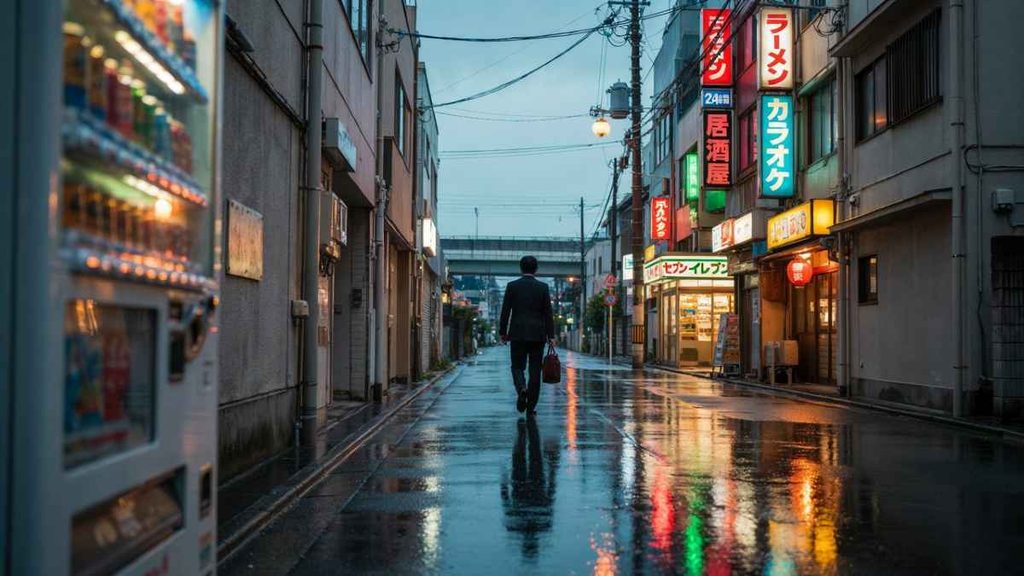
Japan is widening its business tourism map, bringing Sendai, Hiroshima and Fukuoka into sharper focus alongside established convention destinations such as Yokohama and Osaka. The shift combines regional support for meetings and incentive travel with technology-led services designed to assist international delegates. For visitors arriving for conferences, exhibitions or corporate programmes, the change also creates opportunities to experience more of Japan beyond the familiar routes of Tokyo and Osaka. The country’s MICE sector, covering meetings, incentive travel, conferences and exhibitions, is receiving attention through national tourism initiatives and city-level support programmes.
Japan’s Regional MICE Strategy Opens New Routes
The Japan Tourism Agency’s 2026 regional MICE initiative seeks to strengthen destinations by building on local characteristics and longer-term strategies. Its programme supports the development of event models that can be tested locally and potentially adapted by other regions. The agency identifies business events as a way to attract professionals and researchers, create business opportunities and generate economic activity in host areas.
The approach matters for tourism because business visitors do not always travel only between airports, hotels and conference halls. Meetings can bring delegates into contact with local food, cultural attractions, museums, shopping districts and regional transport networks. Incentive travel can also connect corporate groups with experiences rooted in a destination’s identity. For event organisers, regional support may include venue coordination, destination information, local partnerships and financial assistance, subject to each programme’s eligibility rules.
Sendai Connects Conferences With Regional Experiences
Sendai, the largest city in Miyagi Prefecture, is developing its convention offer through support services provided by the Sendai Convention Bureau. Its 2026 assistance includes subsidies for conventions held across multiple venues, support for subway day passes to help participants move between event locations, and local hospitality programmes.
These services link conference planning with visitor movement around the city. Delegates can explore Sendai’s food culture, including its well-known gyutan grilled beef tongue, while nearby attractions offer opportunities to extend a business visit. Sendai is served by Sendai Airport and the Tohoku Shinkansen, which connects the city with Tokyo. The rail journey takes roughly 90 minutes to two hours, depending on the service. Matsushima Bay, known for its islands and coastal scenery, is a popular excursion from the city.
Hiroshima Brings Heritage Into Business Travel
Hiroshima is among the regional destinations included in Japan’s 2026 MICE development programme. A selected initiative, HIROSHIMA FUSION NIGHT, is associated with the Hiroshima MICE promotion council and Hiroshima Convention & Visitors Bureau.
The city’s tourism offer gives conference organisers access to a destination where modern urban life sits alongside important historical sites. Hiroshima Peace Memorial Park and the Atomic Bomb Dome are central to the city’s visitor itinerary, while Hiroshima Castle and Shukkeien Garden provide further cultural attractions. Miyajima, reached by ferry, is another excursion option, with Itsukushima Shrine and its coastal setting attracting visitors throughout the year. Hiroshima Airport serves domestic and international routes, while the Shinkansen connects Hiroshima with Osaka, Kyoto and other major cities.
Fukuoka Extends Japan’s Business Events Geography
Fukuoka offers a gateway to Kyushu, combining urban infrastructure, food culture and access to regional destinations. Its position in western Japan supports travel between the main island and other parts of the country. Visitors can explore Canal City Hakata, Ohori Park, Fukuoka Castle ruins and the city’s waterfront areas. Food remains an important part of the destination experience, with Hakata ramen and yatai street-food stalls forming part of the city’s visitor appeal. Fukuoka Airport is close to the city centre, while Hakata Station connects the city with the Kyushu Shinkansen network. Business travellers can add destinations such as Dazaifu, known for Dazaifu Tenmangu Shrine, to a longer itinerary.
Yokohama and Osaka Focus on Delegate Services
Yokohama and Osaka are established parts of Japan’s convention landscape. Their tourism and event infrastructure supports international meetings, while local organisations provide planning assistance and destination information. In Yokohama, the Minato Mirai waterfront brings together conference facilities, hotels, museums and attractions. Visitors can explore the Cup Noodles Museum, Yokohama Red Brick Warehouse and the waterfront promenade. The city is accessible from Tokyo by rail, making it suitable for itineraries that combine both destinations. Osaka’s MICE support includes an international convention subsidy for qualifying events. The programme covers a portion of eligible operating costs, with requirements relating to event duration, attendance, participating countries and venue location.
osaka.cci.or.jp
+1 Osaka also offers visitors Dotonbori, Osaka Castle, Kuromon Market and Universal Studios Japan. Kansai International Airport provides an international gateway, while rail services connect Osaka with Kyoto, Kobe and Nara.
AI and the Delegate Experience
Technology is becoming part of the conversation around event services in Japan. AI-powered delegate tools can support information access, navigation and communication, although availability and functions depend on the venue or event provider. The specific AI services referenced in the supplied report are not identified in the available official material. For international visitors, multilingual information and digital event assistance can help with schedules, venue navigation and local travel planning. These services complement rather than replace destination support from convention bureaux and tourism organisations.
Planning a Business and Leisure Visit
International delegates should check event-specific registration details, visa requirements and travel arrangements before departure. Japan’s rail network makes multi-city itineraries practical, while domestic flights can help connect regional destinations over shorter visits. A business trip can be extended with local experiences, from Sendai’s food culture and Hiroshima’s heritage sites to Fukuoka’s markets, Yokohama’s waterfront and Osaka’s culinary districts. Japan’s regional MICE strategy places these destinations within a broader business tourism network, giving organisers more locations to consider when planning meetings and incentive programmes.


